Health and Safety Policy for Carpet Cleaners E8
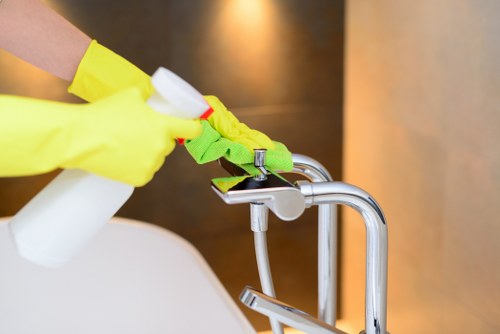 This health and safety policy sets out the standards and practices followed by carpet cleaners to protect employees, clients, visitors, and the wider public. The aim is to provide a safe working environment, reduce risks during cleaning tasks, and ensure that all work is carried out responsibly. Every carpet cleaning service should treat safety as a core part of daily operations, not as an afterthought. By following clear procedures, using suitable equipment, and maintaining awareness of hazards, carpet cleaning professionals can deliver effective results while keeping people and property safe.
All staff must understand that safety applies before, during, and after every job. This includes planning the work area, checking equipment, handling chemicals correctly, and managing slippery surfaces. A well-structured carpet cleaners policy also supports compliance with workplace expectations and reduces the chance of accidents, injuries, and damage. Everyone involved in carpet cleaner safety should report hazards promptly and take reasonable steps to prevent harm.
Risk assessment is an essential part of the process. Before starting, workers should inspect the site for trip hazards, fragile items, electrical risks, poor ventilation, or signs of damp and mould. 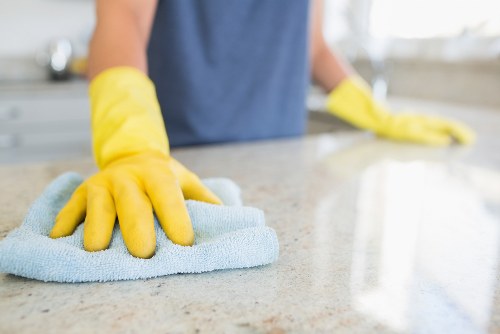 Where needed, furniture should be moved carefully and access routes kept clear. If a job involves heavy equipment or awkward spaces, extra precautions must be taken. A thoughtful carpet cleaning health and safety approach helps prevent avoidable incidents and protects both staff and property.
Responsibilities and Safe Working Practices
Management is responsible for providing appropriate training, safe systems of work, and equipment that is maintained in good condition. Workers must use machinery only for its intended purpose and follow instructions for cleaning agents, protective gear, and manual handling. A robust carpet cleaning safety policy should require staff to wear suitable footwear, gloves, and any other personal protective equipment needed for the task. Carpet cleaning safety also depends on keeping work areas controlled and avoiding unnecessary exposure to hazards.
Correct chemical handling is especially important. Cleaning products must be stored securely, labelled clearly, and used in the right dilution. Staff should never mix products unless the instructions specifically allow it, as dangerous reactions may occur. Good ventilation should be maintained when using sprays or treatments. In a carpet cleaning company policy, it is sensible to include procedures for spills, accidental contact, and safe disposal of used materials. These measures help create a safer workplace and support professional standards.
Manual handling is another key consideration. Lifting machines, moving furniture, and carrying water containers can place strain on the back, shoulders, and joints.  To reduce the risk of injury, workers should assess loads, use correct lifting techniques, and ask for help when items are too heavy or awkward. A responsible carpet cleaner health and safety policy should encourage good posture, sensible pacing, and the use of mechanical aids where possible. Preventing strain is just as important as achieving a thorough clean.
Equipment, Hygiene, and Workplace Control
All equipment must be checked before use and cleaned after each job. Faulty cables, damaged hoses, or leaking tanks should be taken out of service immediately. Regular maintenance helps ensure that machines operate safely and efficiently. A reliable carpet cleaning health policy should also cover hygiene practices, such as washing hands after handling chemicals, avoiding cross-contamination between areas, and keeping tools in clean condition. These habits support both safety and service quality.
Slips, trips, and falls are among the most common risks in carpet cleaning. Wet floors, loose rugs, trailing cables, and clutter can all cause accidents. Workers should place warning signs where appropriate, manage hoses neatly, and make sure treated surfaces are not walked on until they are safe.  A practical carpet cleaning safety procedure should include drying times, restricted access where necessary, and checks before leaving the premises. Attention to these details helps prevent injuries and reassures clients that the area has been left in a safe condition.
Fire safety and emergency awareness are also important. Staff should know the location of exits, first aid supplies, and emergency procedures for the premises they are working in. If a spill, injury, or electrical issue occurs, the job should be paused until the area is made safe. Health and safety for carpet cleaners requires calm decision-making and prompt action. Clear reporting procedures make it easier to learn from incidents and improve future practices.
Training, Reporting, and Review
Training should be provided for new workers and refreshed regularly for existing staff. This should include safe use of equipment, chemical awareness, manual handling, and emergency response. Supervisors should make sure that workers understand not only what to do, but why each rule matters. A strong carpet cleaners health and safety policy is most effective when everyone takes responsibility for following it. Reinforcing good habits supports safer work and more consistent results.
Accidents, near misses, and unsafe conditions should be reported as soon as possible. Reports allow management to identify patterns, correct problems, and improve procedures.  A thorough carpet cleaning policy should make clear that reporting is encouraged and that concerns will be taken seriously. This culture helps prevent repeated incidents and shows commitment to continuous improvement. Documentation should be kept up to date so that safety arrangements remain practical and relevant.
Finally, the policy should be reviewed regularly and updated when equipment, products, or working methods change. Reviews should consider staff feedback, incident records, and any new risks that have emerged. By keeping the policy current, carpet cleaners can continue to provide a safe and professional service. A clear health and safety policy for carpet cleaners is not only a working document; it is a commitment to responsible practice, careful planning, and the wellbeing of everyone affected by the work.